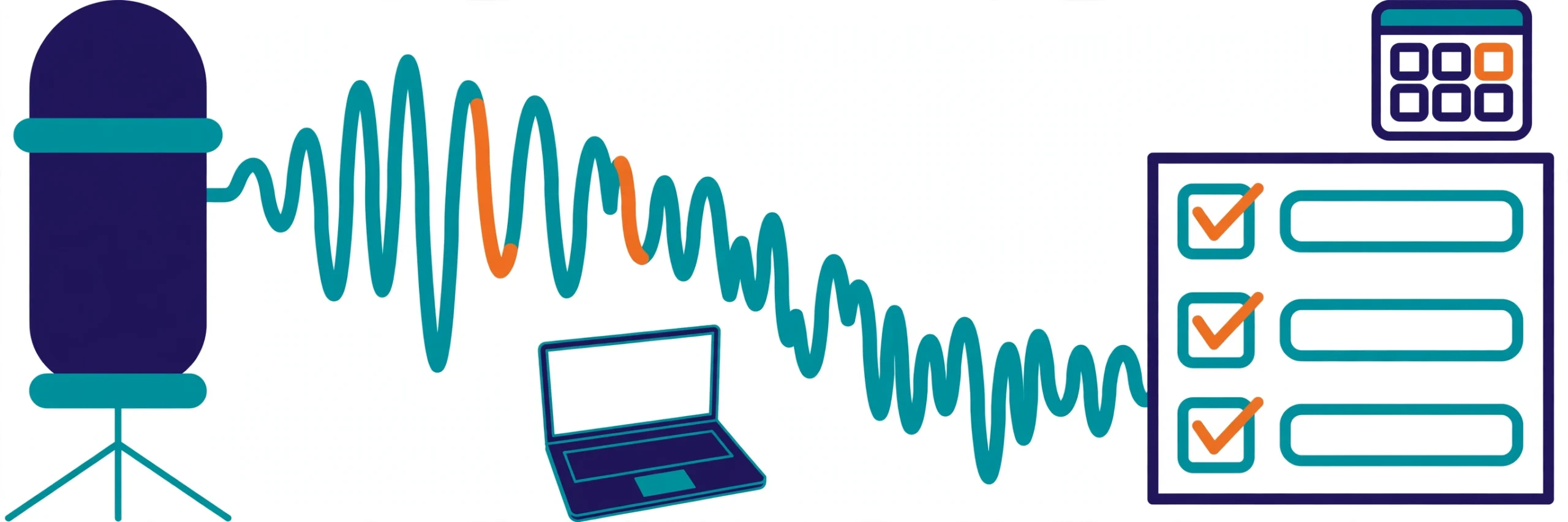
I missed a deadline once. It was right there in the meeting notes, buried in thirty minutes of talk, and nobody wrote it down. So I built a free AI meeting notes summarizer: it records a meeting (with everyone’s consent), transcribes it, and turns it into a table of decisions, owners, and deadlines. Then I ran it on a fake meeting – and it caught the deadline I would have missed.
What it does
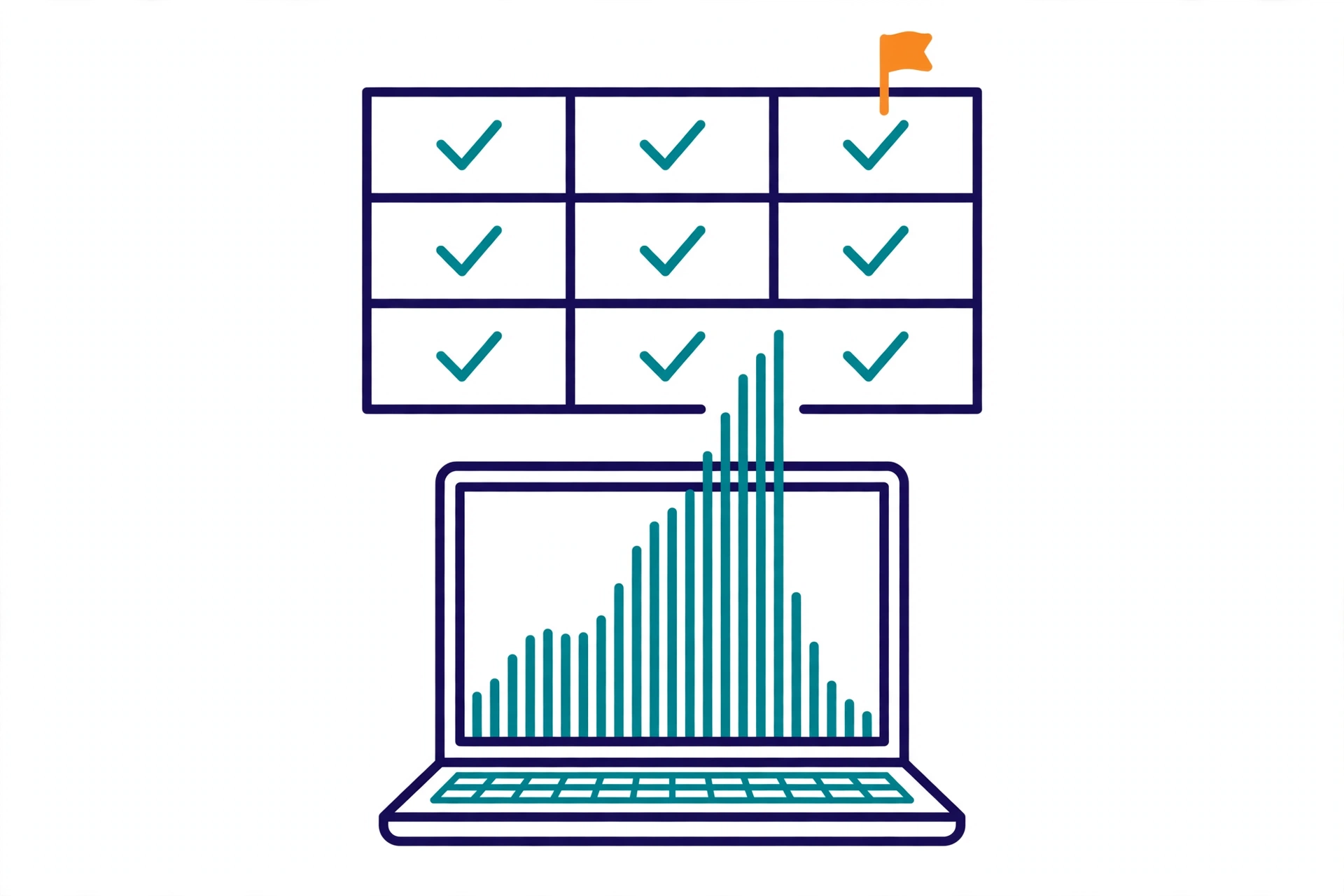
Record a meeting, and the agent does the paperwork. Whisper transcribes the audio on your own machine, Gemini reads the transcript and pulls out every decision and action, and the result lands in a clean table: what was decided, who owns it, and when it is due.
- Records a meeting, with consent from everyone in the room
- Whisper transcribes the audio locally, so nothing is sent to a transcription service
- Gemini extracts decisions, owners, and deadlines from the transcript
- Everything is laid out in one table you can scan in seconds
What it caught
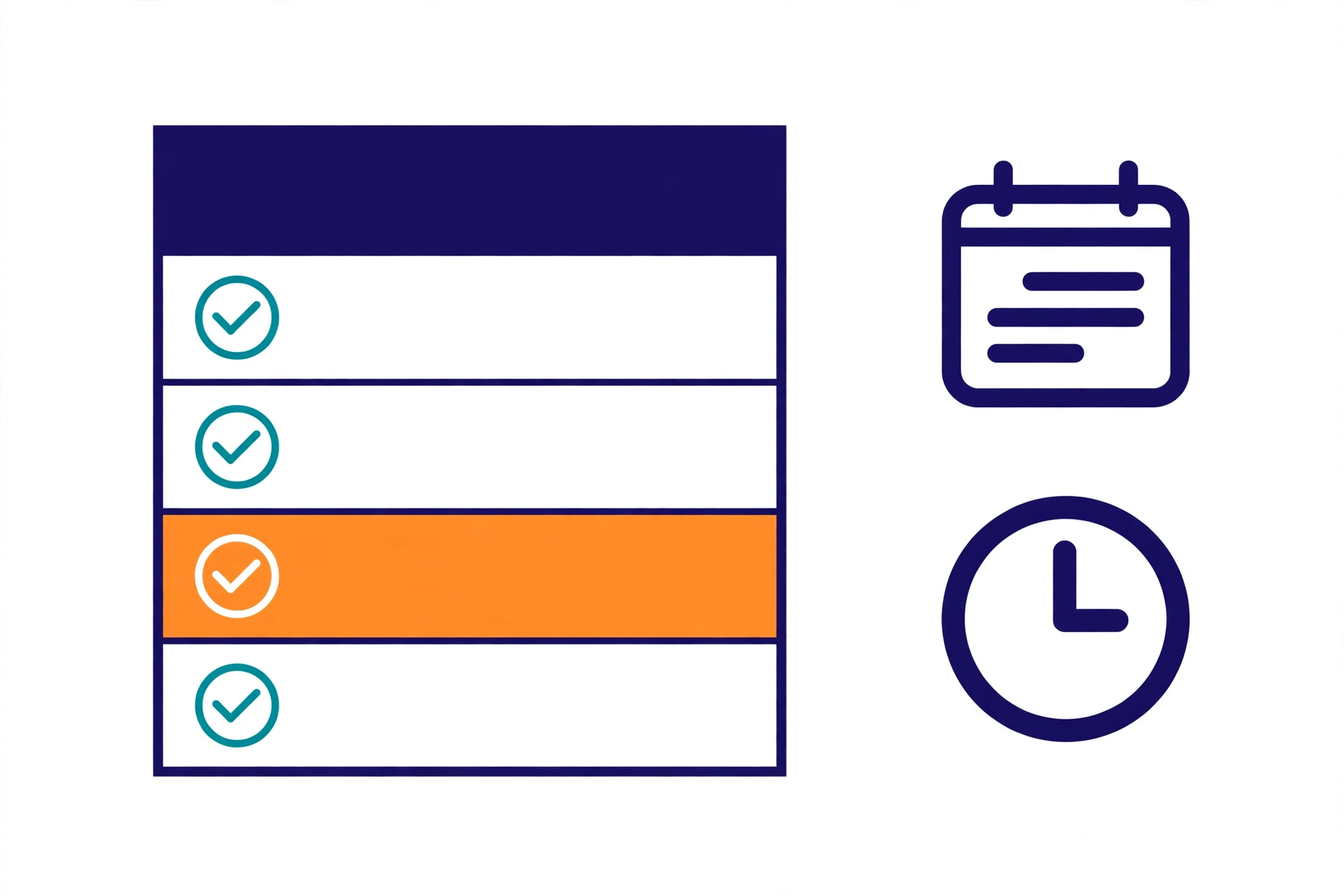
I fed it a 30-minute fake meeting with Priya, Sam, Maya, and Tom. It produced 12 decisions and actions – 4 decisions and 8 actions, 3 per person – all at confidence 1.00. The one that mattered most: the pricing page launch on 28 November, with Priya as owner. That is exactly the kind of date that slips through a normal set of notes.
| Type | Item | Owner | Deadline | Confidence |
|---|---|---|---|---|
| Decision | Launch the new pricing page | Priya | 28 Nov | 1.00 |
| Decision | Move the weekly demo to Thursdays at 10:00 | Sam | 27 Nov | 1.00 |
| Decision | Approve the Q4 marketing budget of $5,000 | Maya | 28 Nov | 1.00 |
| Decision | Keep the free plan, drop the trial extension | Tom | 28 Nov | 1.00 |
| Action | Send the updated pricing draft to Sam | Priya | 26 Nov | 1.00 |
| Action | Book the launch review meeting | Priya | 27 Nov | 1.00 |
| Action | Rewrite the demo script | Sam | 27 Nov | 1.00 |
| Action | Fix the broken signup link | Sam | 26 Nov | 1.00 |
| Action | Share the budget sheet with Tom | Maya | 26 Nov | 1.00 |
| Action | Draft the launch announcement | Maya | 28 Nov | 1.00 |
| Action | Remove the trial extension from the pricing page | Tom | 28 Nov | 1.00 |
| Action | Confirm the server upgrade window | Tom | 27 Nov | 1.00 |
How it works
Four steps, in order. Record the meeting, Whisper transcribes the audio to text, Gemini extracts the decisions and actions, and the agent prints them as a table. A small fallback parser catches anything Gemini misses, so the table is complete even if the API call fails.
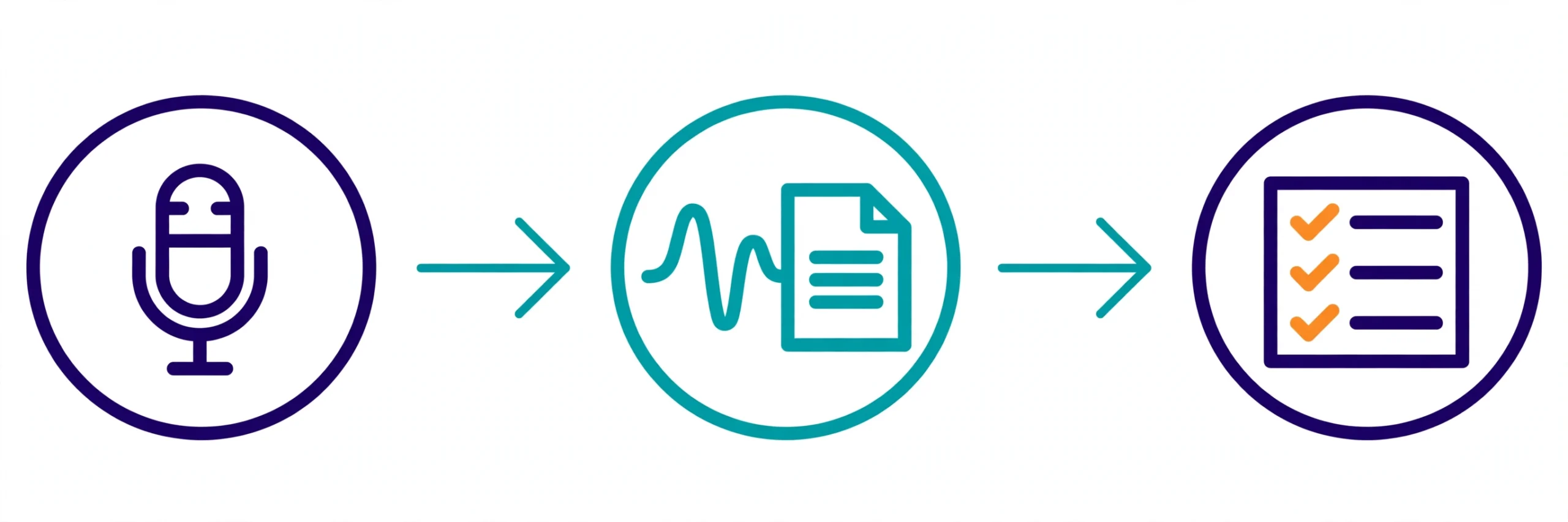
- Record – capture the meeting audio, with consent
- Transcribe – Whisper turns the audio into a transcript, locally
- Extract – Gemini finds decisions, owners, and deadlines
- Table – every item appears in one scannable table
The maths
Transcription quality is measured with word error rate (WER): the number of errors divided by the number of words in the reference transcript. Worked example: a 20-word reference with 1 substitution and 1 deletion has 2 errors, so WER = 2 / 20 = 10%.
Each action also gets a confidence score: action-confidence = 0.4 x owner + 0.3 x deadline + 0.3 x verb, where each part is 1 if it was found and 0 if it was not. An action with an owner, a deadline, and a clear verb scores 0.4 + 0.3 + 0.3 = 1.00.
What you need
- Python 3.12
- A Gemini API key – free, no card required
- Whisper, running locally for transcription
- Gradio for the web UI
Build it
Install the dependencies, add your Gemini key, and run it on the included sample meeting.
pip install -r requirements.txtcp .env.example .envOpen .env and add your key:
GEMINI_API_KEY=your_key_herepython main.py sample_meeting.txtPrefer a UI? Start the Gradio app:
python app.pyThe code
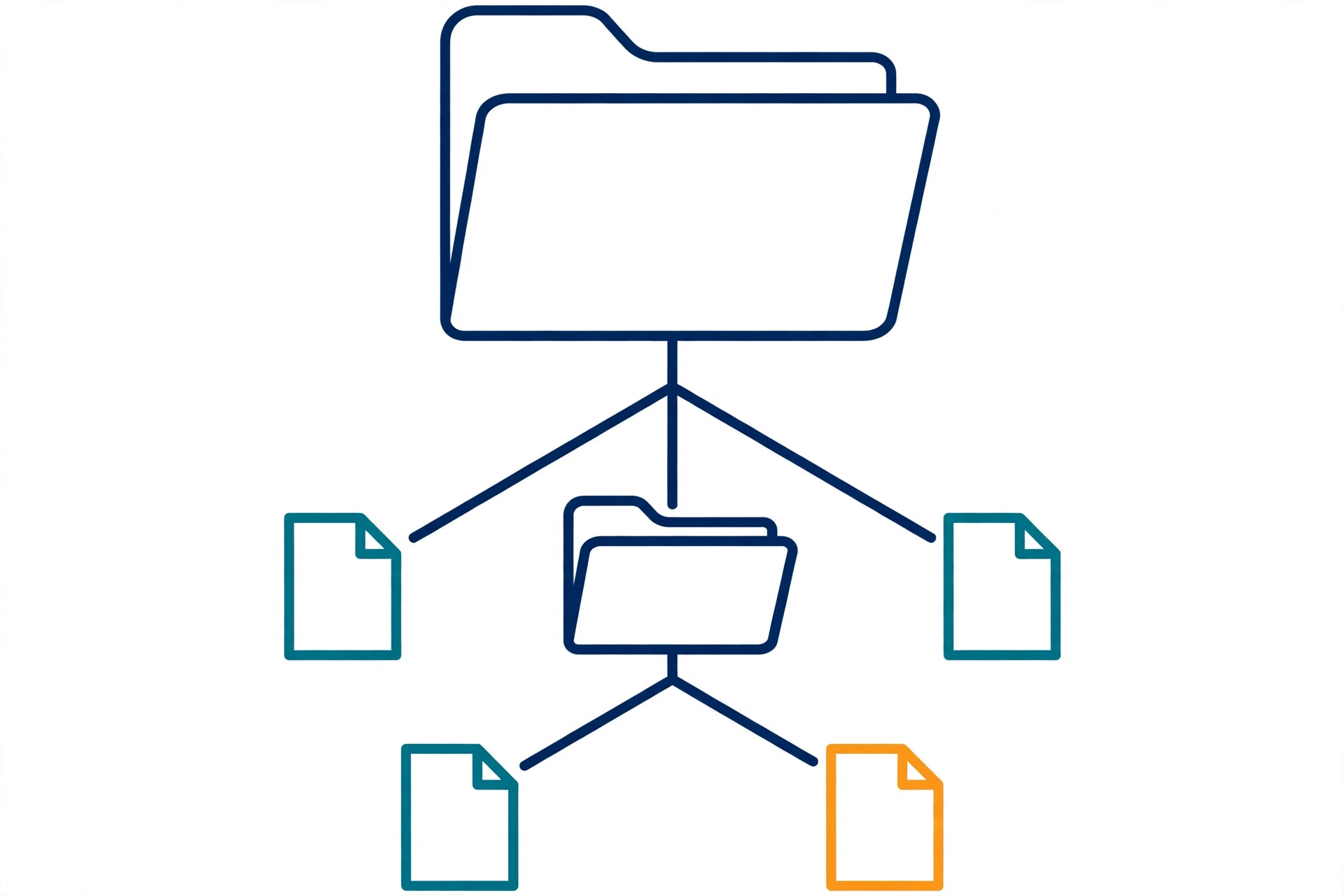
meeting-notes-agent/
+-- main.py
+-- transcribe.py
+-- extract.py
+-- config.py
+-- app.py
+-- sample_meeting.txt
main.py reads the transcript and prints the extracted items:
import sys
from extract import extract_items

def main(path):
    transcript = open(path, encoding="utf-8").read()
    items = extract_items(transcript)
    print(len(items), "decisions and actions found")
    for item in items:
        print(item["type"], item["owner"], item["deadline"], item["text"])

if __name__ == "__main__":
    main(sys.argv[1])
extract.py holds the fallback parser, which searches inside each line for commitments and owners:
import re

COMMIT = re.compile("(will|must|should|need to|agreed to)", re.I)
OWNER = re.compile("(Priya|Sam|Maya|Tom)")

def extract_items(transcript):
    items = []
    for line in transcript.splitlines():
        commit = COMMIT.search(line)
        owner = OWNER.search(line)
        if commit and owner:
            items.append({
                "type": "action",
                "owner": owner.group(1),
                "deadline": "",
                "text": line.strip(),
                "confidence": 1.0,
            })
    return items
What broke
The first version of the fallback parser only matched commitments at the start of a line, and it found just 6 of the 12 items – the other six had the commitment buried in the middle of a sentence, like “Priya said she will send the draft.” The regexes now search inside each line instead of anchoring to the start, and the parser finds all 12.
Download the project
Unzip the project, copy .env.example to .env, fill in your Gemini key, and run main.py on the sample meeting.
Premium Download
Get the complete project code